Open Source, Open Data, and an Open Future
-
NeighbourGood NZ

- Jun 25, 2026
- 5 min read
A recent discussion on open-source software policy led to a wider question: what kind of society are we trying to build? From government procurement to community-scale technology, openness is not a side issue — it is the shape of the future.
Open Source Needs Open Data
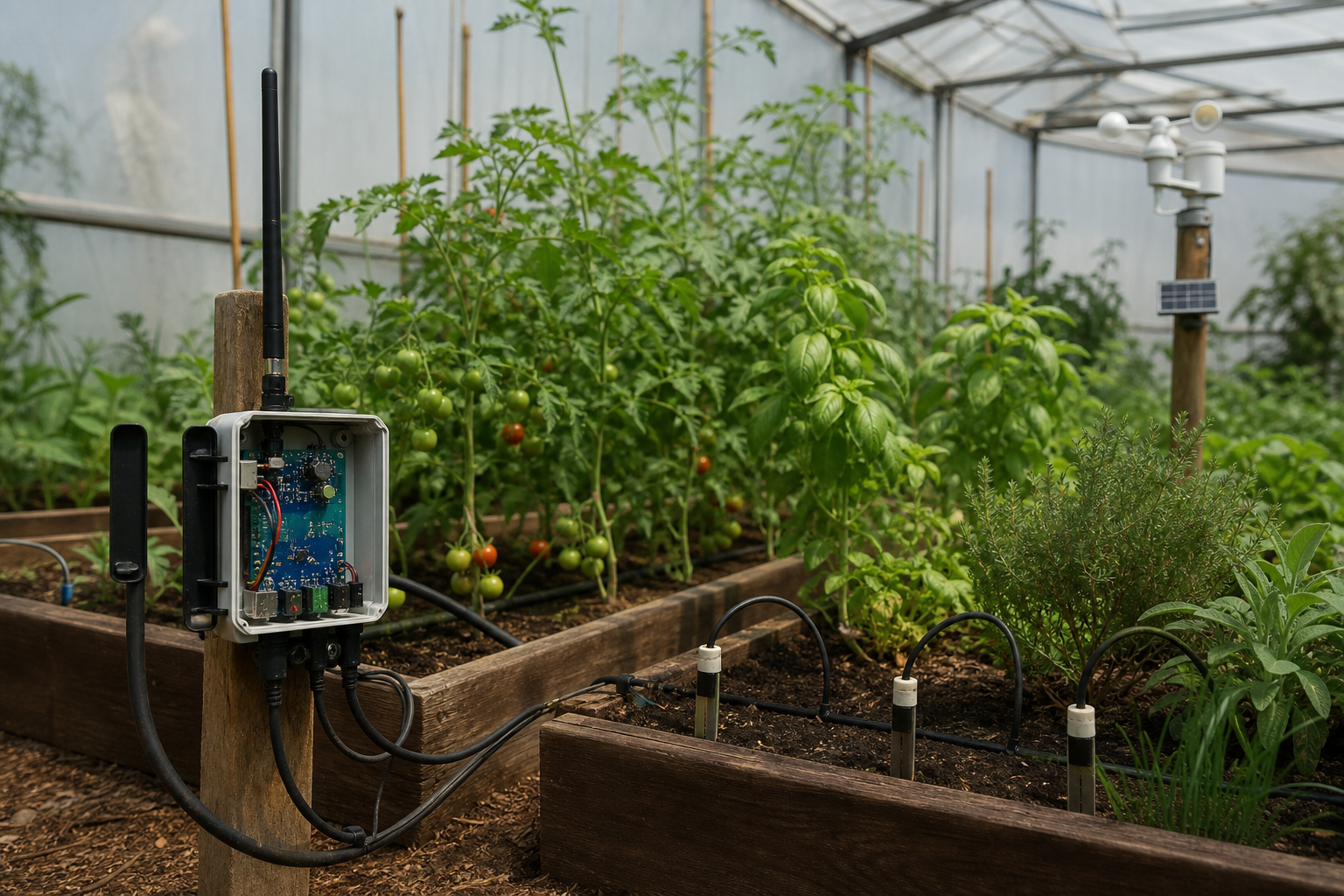
If government information belongs to the public unless there is a legitimate reason to withhold it, then transparency should be the default setting.
Open data reduces duplication, reduces Official Information Act workloads, improves accountability, and allows citizens, researchers, journalists, and businesses to contribute solutions.
The principle should be simple: open by default. Closed only when necessary.
This applies not only to software, but to data, standards, procurement, research, and publicly funded knowledge.
This mirrors what we describe in the Living Manifesto under innovation and self-determination — and the sociocratic value of transparency.
Leadership Matters
Policy settings flow from the top.
If political parties demonstrate that open-source-first procurement is practical, empowering, and cost-effective, others will follow. If they refuse, voters can reasonably ask why.
Who benefits from continuing the current model? Is it the public? Or is it the vendors, consultants, and commercial interests that profit from dependence on closed systems?
Transparency allows citizens to make those judgments for themselves.
Practising Openness at NeighbourGood
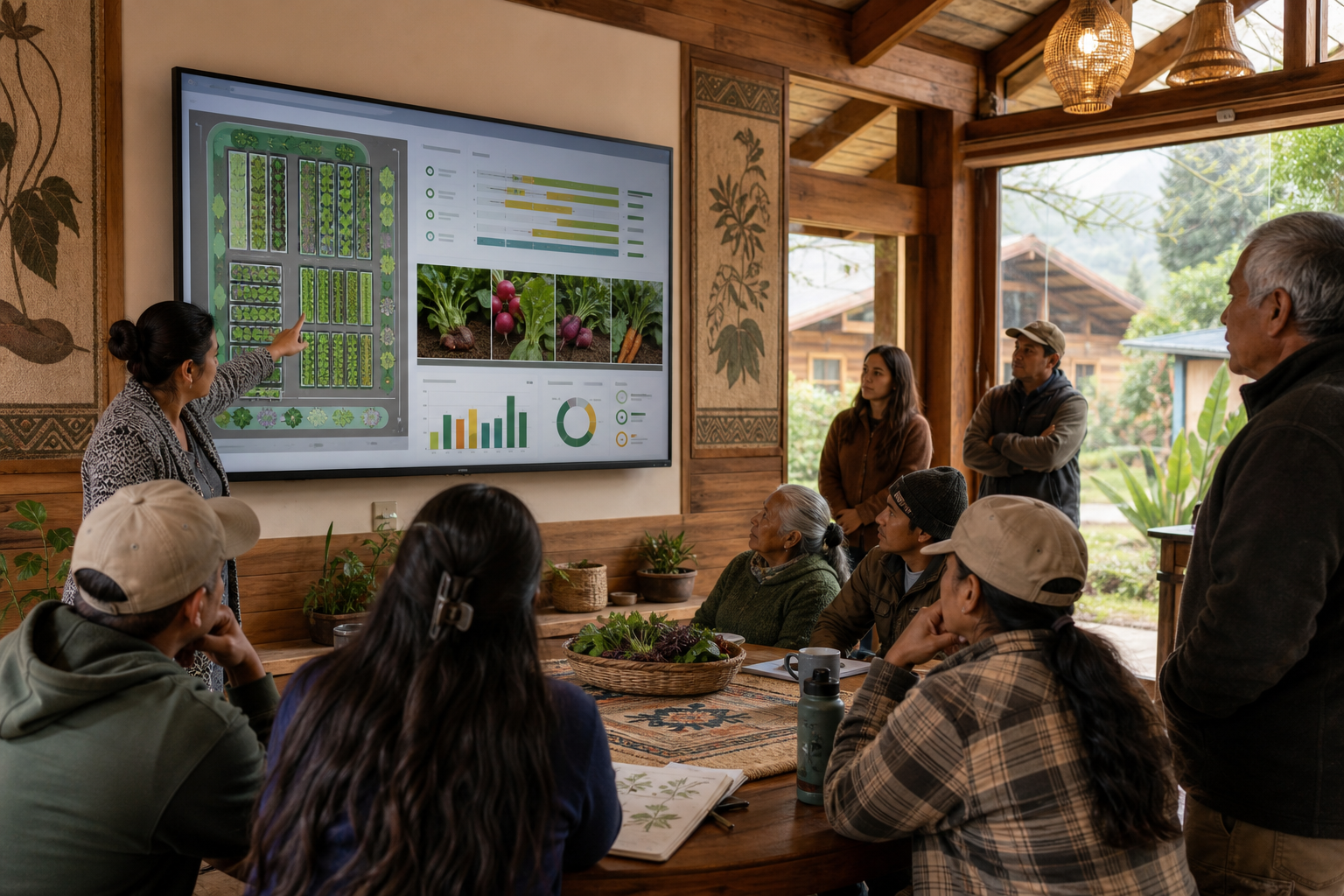
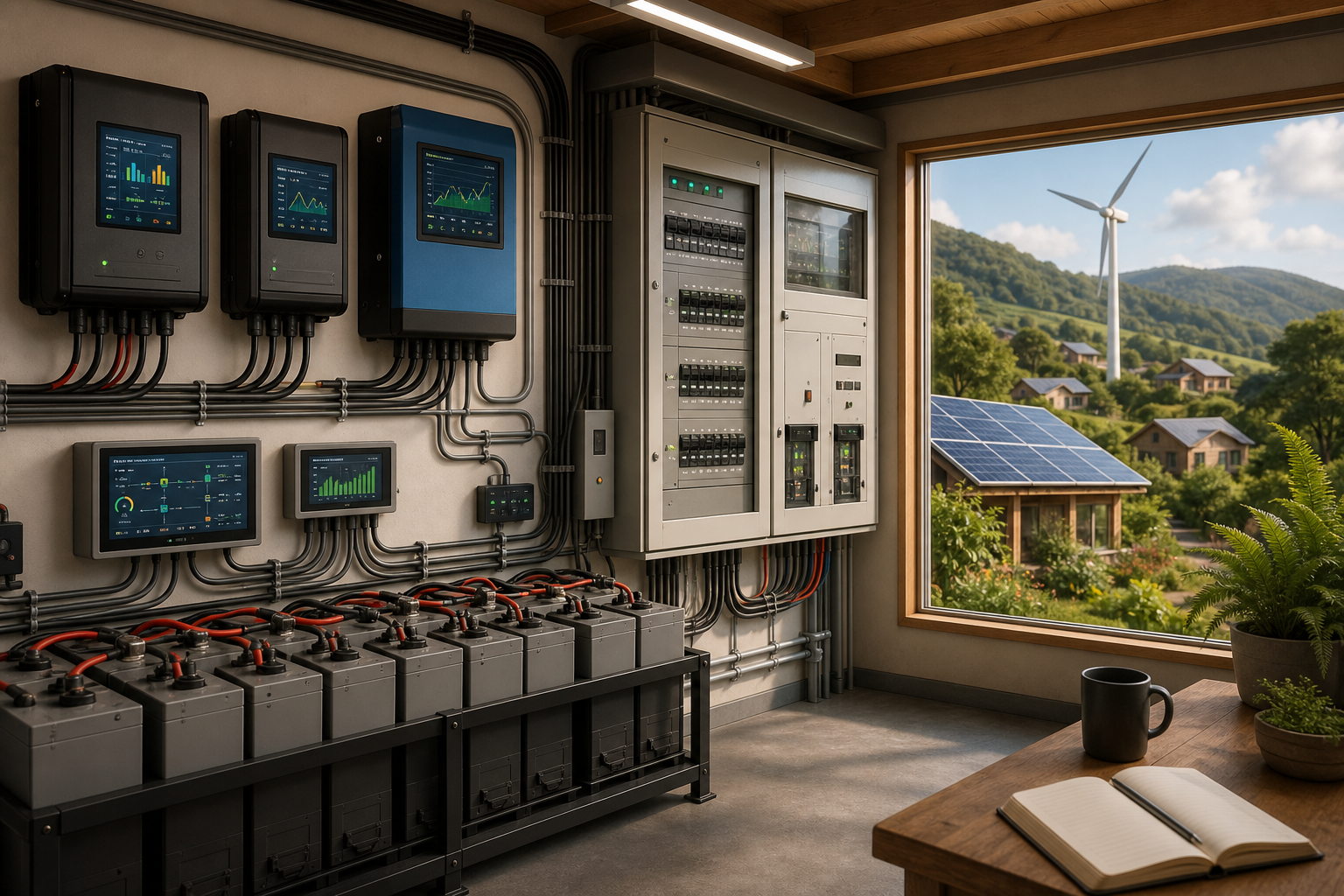
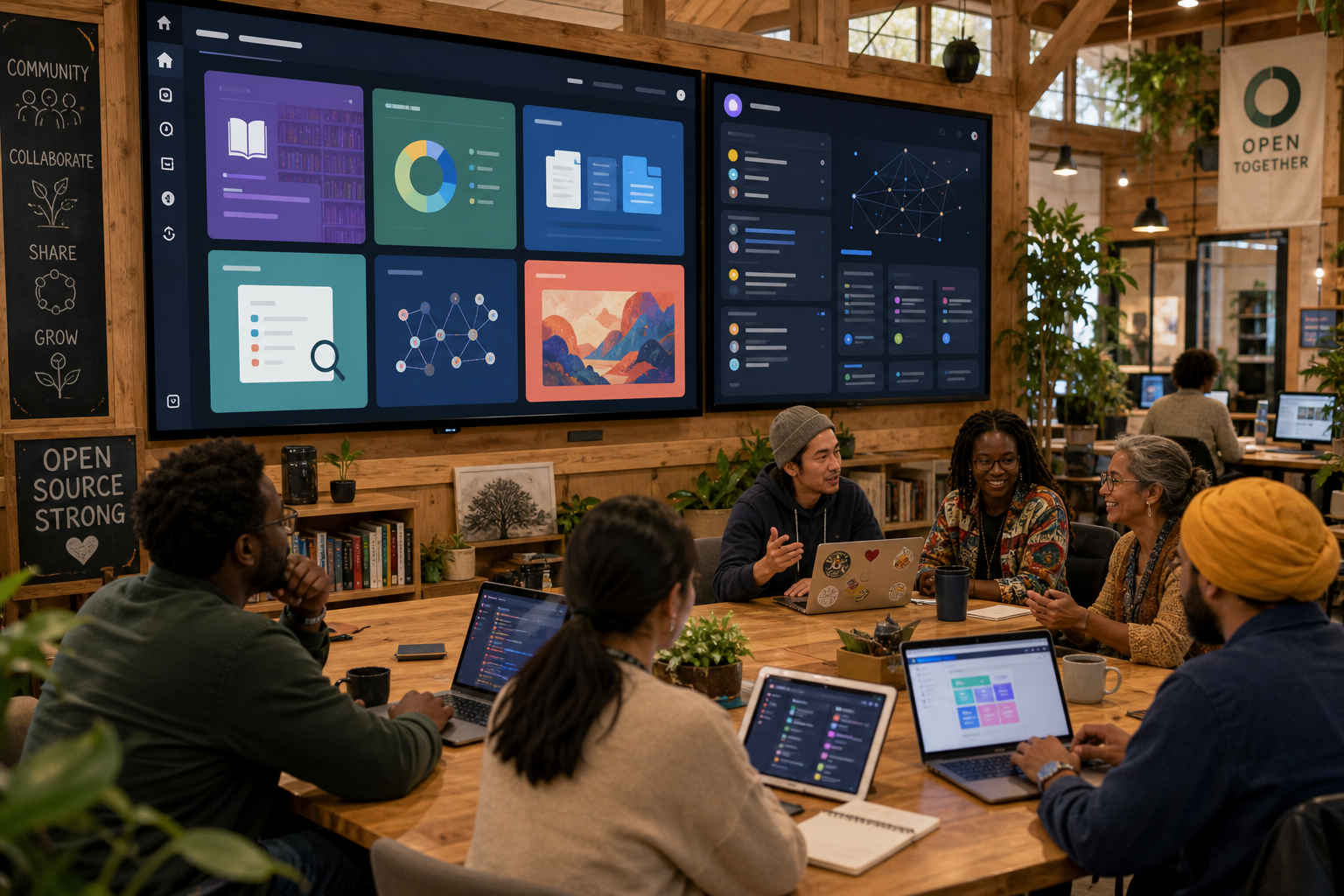
The NeighbourGood project is not only a land-and-community vision. Right here on this server we are building an open-source IT infrastructure platform: VPN, DNS, mail, collaboration tools, wiki, diagrams, backups, and the public website you are reading — composed from inspectable software we can run, adapt, and support locally.
That work aligns with our aim to be autonomous and self-sustaining, with decision-making power distributed among members rather than outsourced to proprietary clouds.
From the Server Room to the Garden Bed
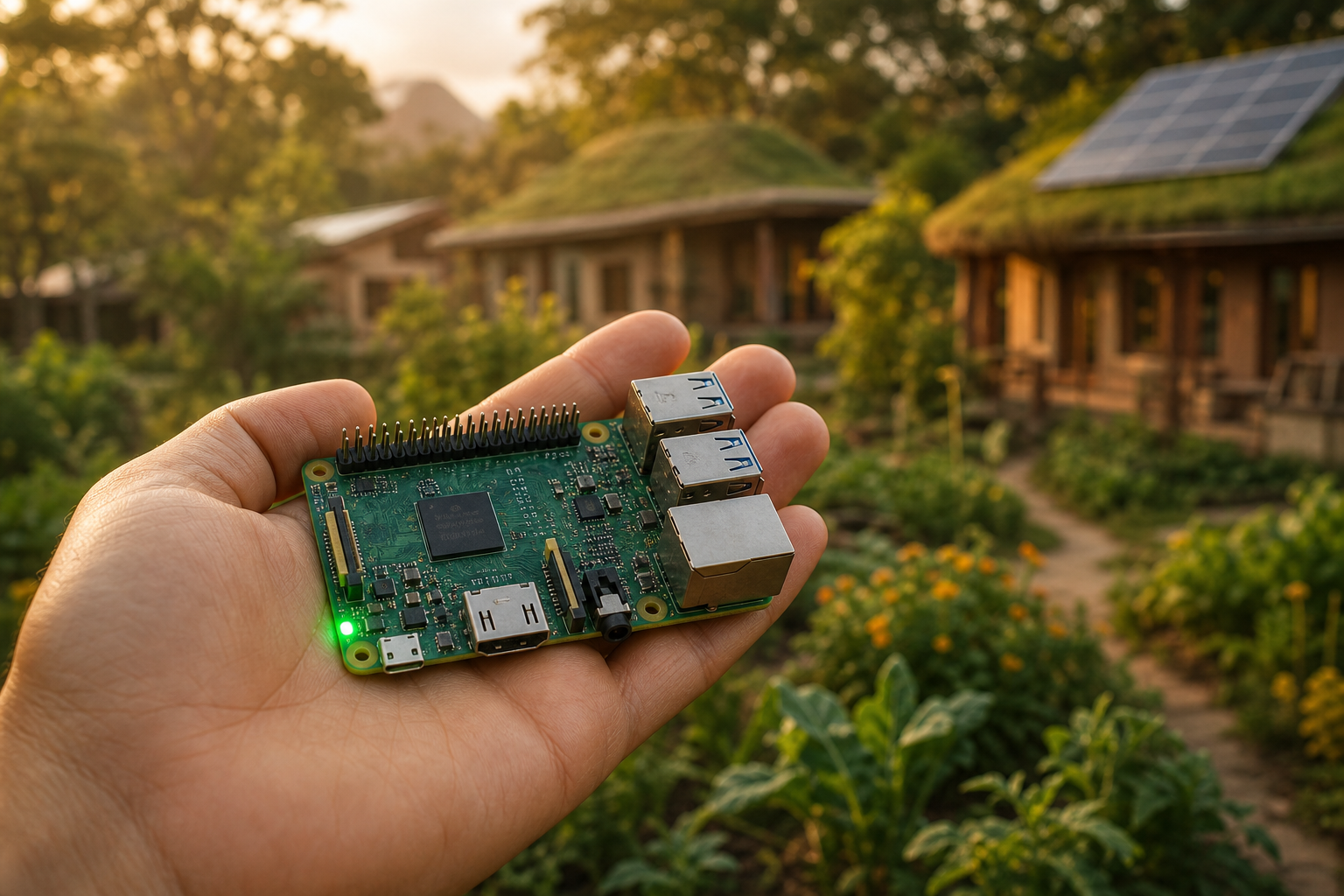
Open source is not only about datacentres. At village scale, micro-controllers monitor soil moisture, weather stations guide planting, and small computers coordinate irrigation — technology neighbours can understand, repair, and improve together.
The Living Manifesto's village design calls for suitable technologies integrated with regenerative land practices. Open hardware and open software make that practical.
AI Changes Everything
Artificial intelligence is no longer a future technology. It is already transforming work, government, education, and business. The question is not whether AI will be used — the question is how.
AI can empower people, communities, researchers, teachers, and small businesses. It can reduce repetitive administration and remove enormous amounts of drudgery.
But concentration of AI power in a handful of corporations or governments carries obvious risks. The technology needs clear boundaries, public oversight, transparency, and democratic accountability.
The future should not belong solely to those who control the largest data centres or the largest datasets. Open models, open standards, and public scrutiny will be essential.
The Data Centre Race
Many governments are currently competing to attract ever larger AI data centres. Yet AI efficiency is improving at remarkable speed.
Each generation of models achieves more output with less computing power, less energy, and less hardware than the generation before it.
This raises an important question for New Zealand: do we really want to build our future around massive energy-hungry data centres? Or should we focus on distributed, efficient, locally useful technology that serves communities rather than simply exporting resources?
A small country should be careful about committing itself to infrastructure that may become obsolete faster than expected.
The Coming Economic Transition
Technology has always changed employment. AI will likely eliminate many routine knowledge-work roles just as mechanisation transformed agriculture and manufacturing. This is not necessarily a disaster.
Few people dream of spending their lives performing repetitive administrative tasks. The real challenge is not job loss — it is how society distributes the benefits of increasing productivity.
If machines can help produce more goods and services with less human effort, then the gains should be broadly shared.
A successful society is not one where a tiny fraction of people accumulate extraordinary wealth while everyone else works harder each year just to maintain their standard of living. The purpose of technology should be to improve human wellbeing.
Learning From Community
Traditional communities understood something modern societies often forget: when resources are managed well, communities thrive when people cooperate.
Neighbours help neighbours. Knowledge is shared. Skills are passed between generations. People find meaning through participation rather than consumption.
Technology should strengthen these relationships, not replace them. The strongest response to uncertainty is not fear — it is community.
Local food production. Local energy generation. Local businesses. Local knowledge. Local resilience.
Our internal exchange structures — timebank, gifting, local currency — are expressions of the same principle at the economic layer.
Battery Recycling: Planning Ahead
The discussion also touched on electric vehicle batteries. Battery recycling is no longer a theoretical future industry — it already exists.
Companies such as Redwood Materials are recovering large percentages of lithium, nickel, cobalt, copper, and other valuable materials from end-of-life batteries.
New Zealand does not yet generate sufficient battery volumes to justify large-scale chemical processing facilities. However, that is exactly why policy should be developed now.
A national collection, aggregation, and export scheme would allow batteries to be recovered safely and economically before they become an environmental problem. We learned this lesson with tyres. There is no need to repeat the same delay with batteries. Good policy acts before the crisis arrives.
A Different Direction
The future is not something that happens to us. It is something we build.
Open-source software. Open data. Transparent government. Responsible AI. Local resilience. Community cooperation.
These are not separate issues. They are different expressions of the same idea: a society works best when knowledge is shared, power is distributed, and people are trusted to participate in shaping their own future.
Read the full Living Manifesto on this site, or access and comment on the actual Living Manifesto here (Google Doc).